Summary of
“No More Bottle”
Text:
- Hebrews 5:11 We have much to say about this, but it is hard to make it clear to you because you no longer try to understand. 12 In fact, though by this time you ought to be teachers, you need someone to teach you the elementary truths of God’s word all over again. You need milk, not solid food! 13 Anyone who lives on milk, being still an infant, is not acquainted with the teaching about righteousness. 14 But solid food is for the mature, who by constant use have trained themselves to distinguish good from evil.
Many believers remain spiritually immature—like infants who still need “milk” (basic teachings) instead of “solid food” (deeper discernment).
They have become “dull of hearing,” stuck in selective or occasional obedience rather than a constant, everyday walk with God. True maturity comes from “constant practice” that trains our senses to distinguish good from evil, involving ongoing listening to and obeying the gentle nudges of the Holy Spirit.
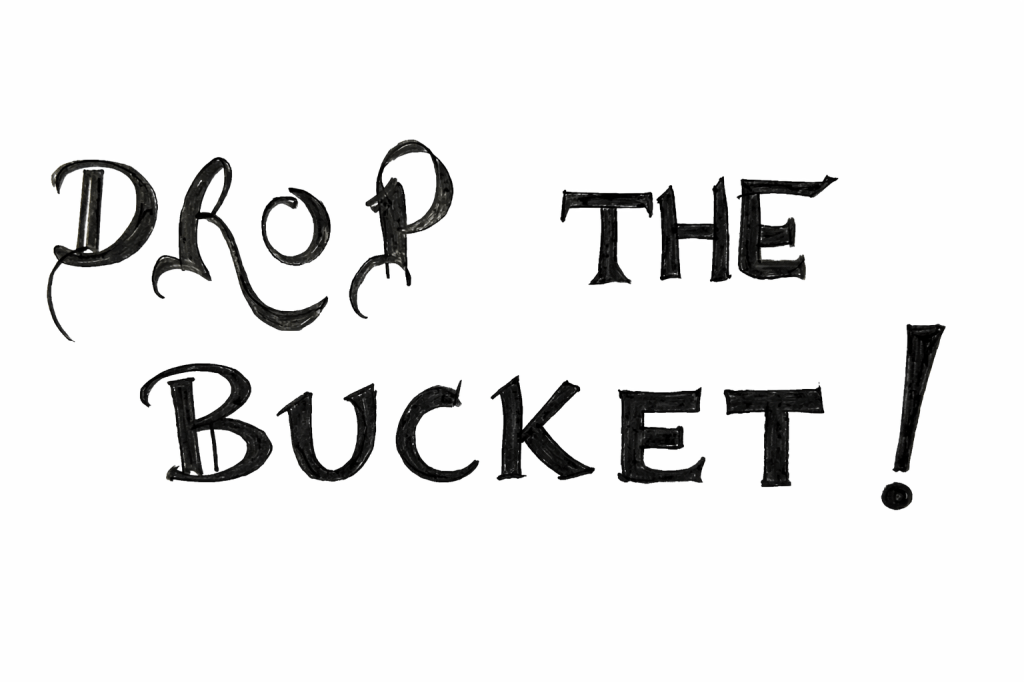
The “no more bottle” image…
This comes from a personal story. I threw a celebratory “last bottle” party for one of my children, who was clinging to his baby bottle; it marked the joyful transition from Baby to a more mature stage.
This symbolizes letting go of immature habits or crutches, whether literal (like alcohol, referenced via Galatians 5’s “acts of the flesh” including drunkenness) or spiritual (picking and choosing when to obey, relying on basic rules, or quenching the Spirit’s voice).
Here are some Key Points when I meditated on this text:
- Listening-Obedience: Growth happens through regular interaction with Scripture and the Holy Spirit, like recognizing a familiar friend’s speaking style or the rhythm of a Bible translation. It’s not about rules or “what’s in it for me,” but about a burning-heart conversation with Jesus (echoing the Emmaus road in Luke 24) that leads to fruit-bearing actions.
- Community and Relationships: The post contrasts shallow, need-driven “human community” (drawing on Dietrich Bonhoeffer) with true spiritual fellowship centered on Christ, which allows for real love without unhealthy fusion or dependency.
- Everyday Application: The author shares stories from their life as a bus driver—small acts of kindness (helping elderly passengers, waiting for stragglers) that reflect being a “safe place” for others and treating people as Jesus would (Matthew 25). These moments show maturity in action, not just in church settings.
- Personal Shift: The writer describes graduating from debating “Is this okay?” or “Am I within my rights?” to a surrendered life of self-control and glorifying God, embracing the fruit of the Spirit.
Tone and Conclusion
The tone is gentle, reflective, and encouraging rather than judgmental—more like a loving invitation to grow than a scolding. It celebrates advancement (“No more bottle!”) as something joyful, not burdensome. The overall message is a call to stop quenching the Spirit, engage in continual prayer and obedience, and live as mature “Abba’s child” for God’s glory, rather than staying stuck in spiritual infancy.
In short, the piece is a devotional reflection urging readers toward deeper, consistent communion with God and away from anything that keeps them immature—whether habits, selective faith, or dependencies

